How AI Workstations Are Changing the Future of Creative Industries
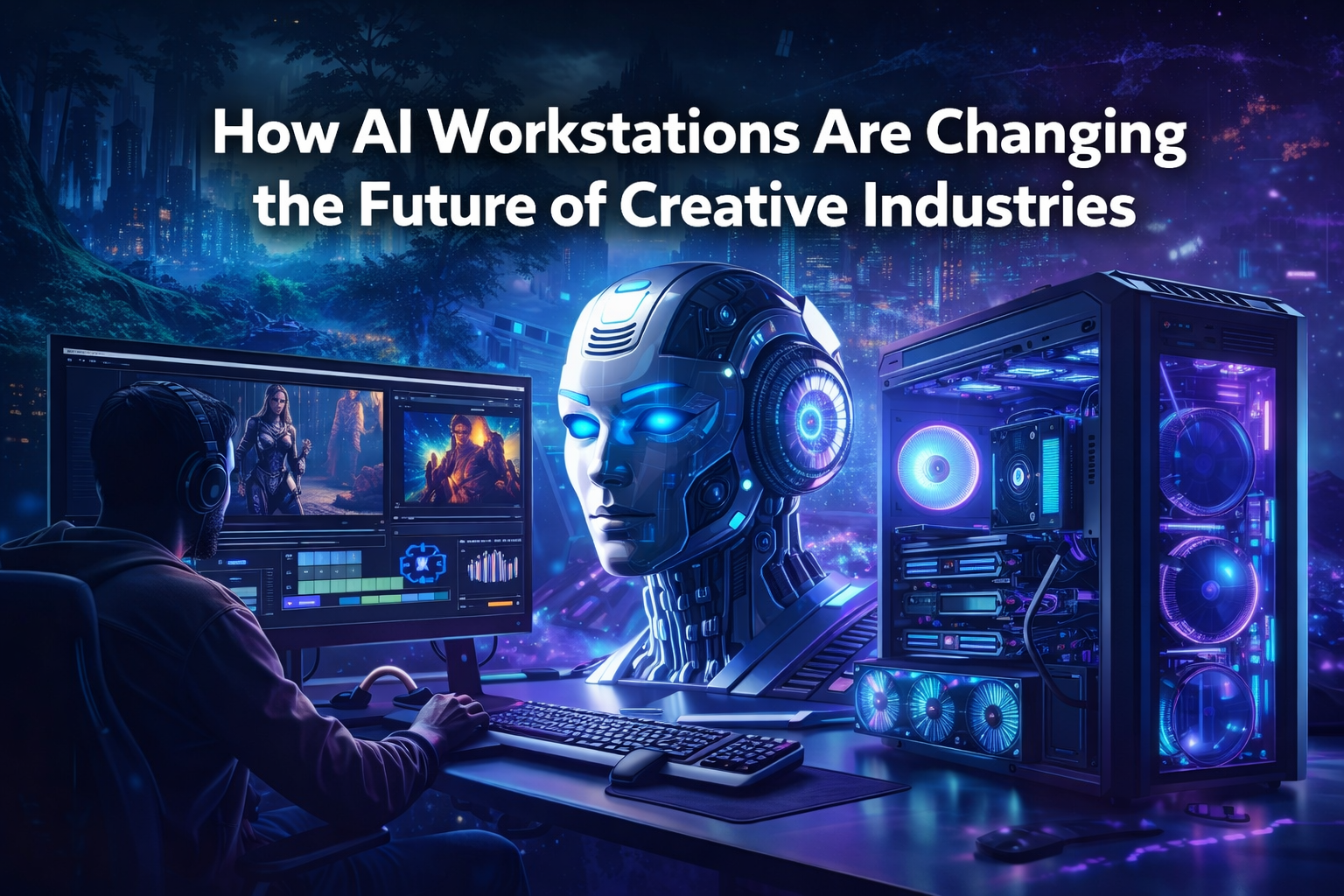
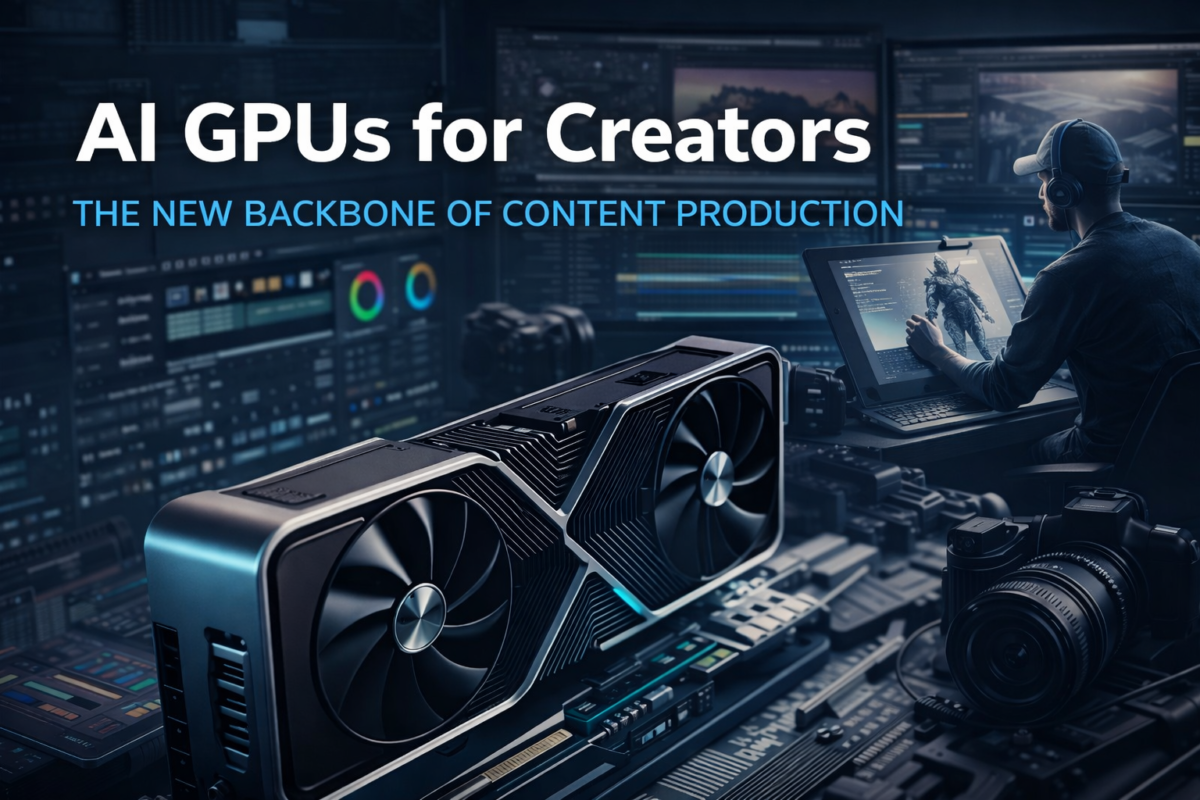
The creative industries are undergoing a tech-driven renaissance. From digital artists and video producers to game developers, AI workstations are emerging as the new backbone of creative workflows. These high-performance systems bring the kind of power once reserved for supercomputers or cloud clusters right to a creator’s desk. Why the shift? Modern creators and studios need to iterate faster, render in real-time, and keep sensitive projects in-house – goals that powerful AI workstations make achievable. When inspiration strikes, nothing kills momentum faster than a slow tool or frozen timeline. In contrast, a well-tuned AI workstation keeps up with every idea, allowing creative apps to feel fluid and responsive. The result is a transformation in how creative work gets done, unlocking new levels of productivity and artistry.
Workstations Built for AI-Powered Creativity
Specs don’t equal results – what matters is a system’s ability to handle real creative workloads. An AI workstation isn’t just a regular high-spec PC; it’s purpose-built with hardware and design choices optimized for intense parallel processing and machine learning tasks. Unlike general computers, these systems integrate advanced multi-core CPUs and GPU arrays that can chew through massive data, whether it’s high-resolution video frames or complex 3D scenes. This means artists and engineers can work with huge AI models or media files that would choke a normal computer, all without hitting performance bottlenecks. In fact, some flagship workstations support configurations like up to 4 GPUs and 2 terabytes of memory – specs geared toward the most demanding VFX, rendering, and AI training tasks.
Key features of modern AI workstations include:
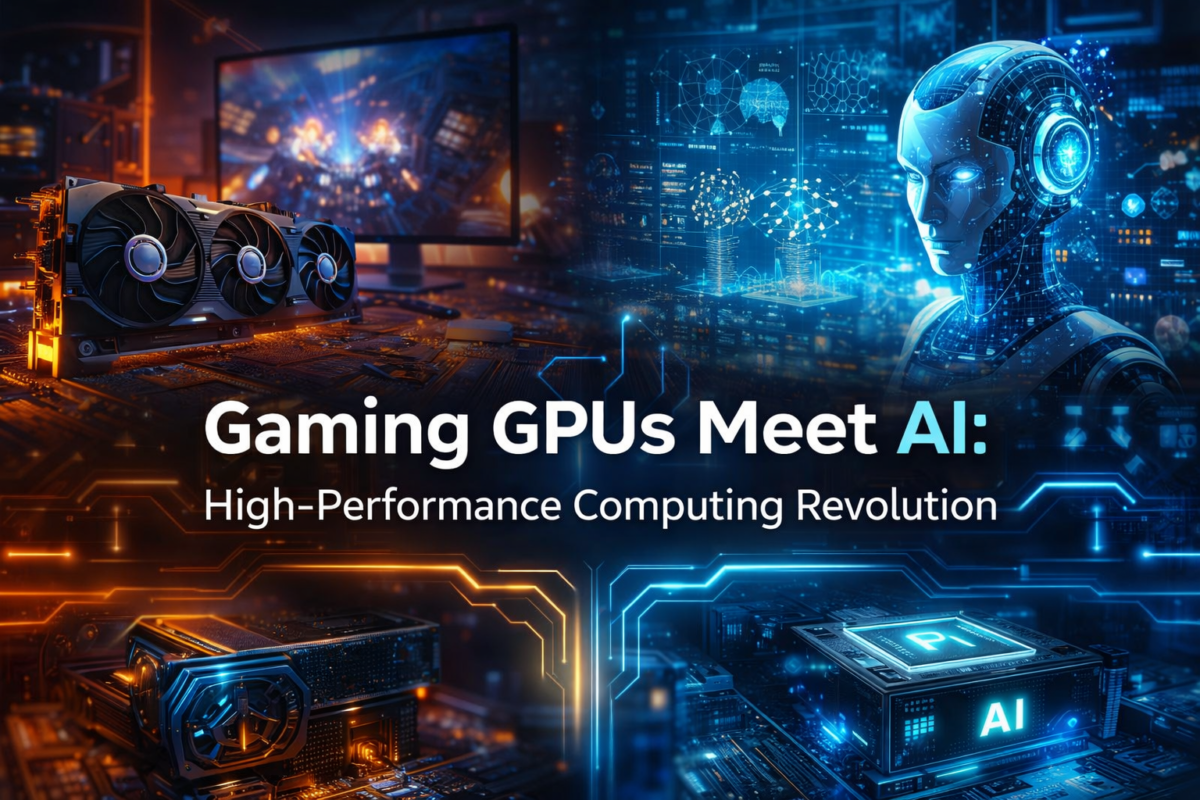
High-performance GPUs: These machines pack specialized graphics processors with thousands of cores. Many GPUs now have AI-focused hardware (like Tensor Cores) that accelerates deep learning and image processing far beyond what any CPU could do. This parallel power is the heart of AI workstations, enabling speedy training and inference for creative AI models.
Ample memory: Creative AI workflows (think editing 8K video or training a generative art model) demand huge memory bandwidth and capacity. AI workstations come with large RAM (often hundreds of GB) to keep datasets and machine learning workloads in memory for smooth multitasking. This means less waiting and no bogging down when juggling multiple high-end applications at once.
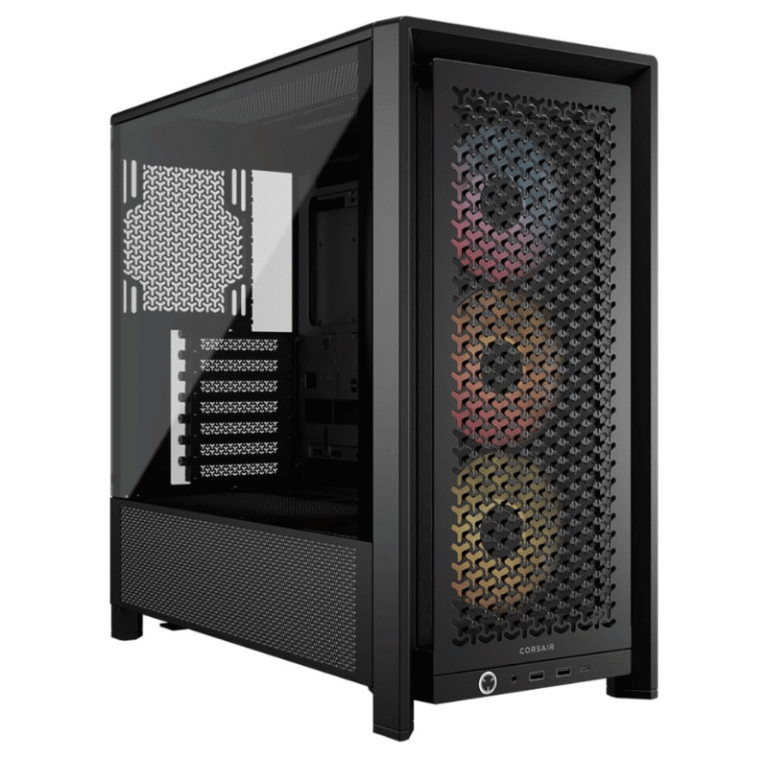
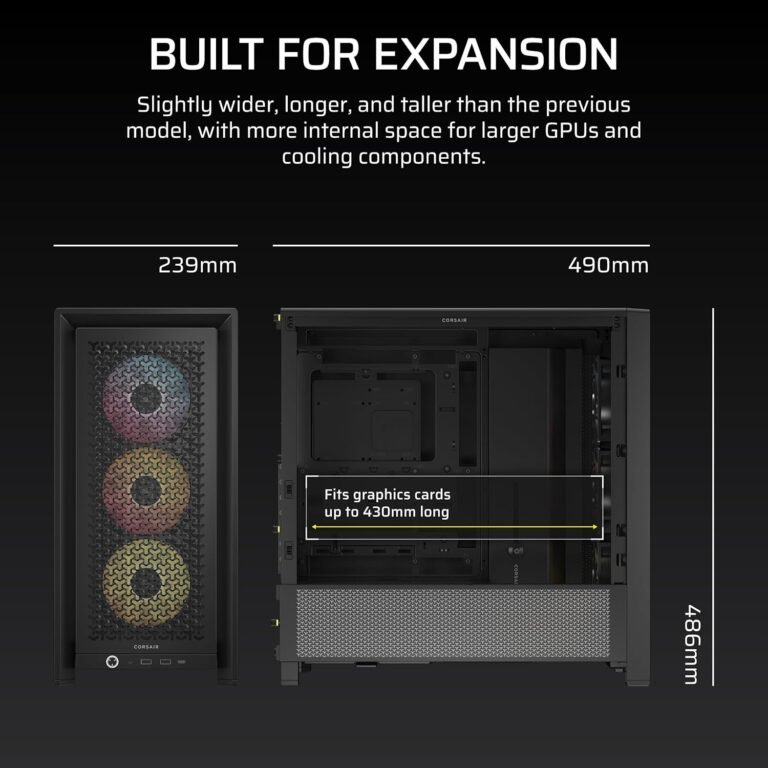
Advanced cooling: Rendering 3D graphics or running AI computations 24/7 can generate serious heat. High-end workstations use liquid cooling and optimized airflow to maintain peak performance without thermal throttling. This ensures reliability during marathon creative sessions or overnight batch renders.
Scalability and upgrades: Creative tech moves fast, so these systems are built to evolve. Modular designs let users easily upgrade GPUs, add more storage, or boost memory as needs grow. This “balance beats excess” philosophy means you can scale up purposefully instead of overspending on one overkill component. The result is a balanced system tuned to your workflow, not just a maxed-out spec sheet.
In short, an AI workstation is engineered for purposeful performance. It aligns powerful components so that artists, designers, and developers aren’t limited by hardware. As a testament to their impact, one AI-driven film restoration startup found that upgrading to pro-grade AI workstations cut their project processing time from five days to about 36 hours – a 60% time reduction. When your tools work this efficiently, you spend less time waiting and more time creating.
Accelerating Creative Workflows with GPU Power
High-performance hardware is dramatically speeding up every facet of content creation. GPU acceleration has become a game-changer in creative workflows. Today’s GPUs are not only about graphics; they come with dedicated cores for AI and real-time rendering that elevate the creative process. For example, NVIDIA’s latest RTX series GPUs are specifically designed to accelerate creative workflows, sporting next-gen Tensor Cores for AI tasks, RT Cores for ray-traced rendering, and special encoders/decoders for video work. The benefit? Visual effects artists, video editors, and 3D animators can iterate in seconds on tasks that used to take hours.
Consider how this plays out in practice. Video editors dealing with high-resolution 4K or even 8K footage used to spend hours creating proxy files or waiting on exports. With an AI workstation, those days are fading. Modern GPUs have hardware decoders that let you scrub through high-res video without lag or proxy files, and AI-powered effects that apply in real time. When it’s time to render the final cut, multiple GPU-based encoders can crunch the video so efficiently that what once took all night can now finish in minutes. For instance, GPUs accelerated by AI can run certain effects in DaVinci Resolve up to 2× faster than previous-generation setups, meaning deadlines are met with time to spare.
In 3D animation and game development, the story is similar. Creators often work with massive scenes and complex lighting that traditionally required painstaking offline rendering. Today’s AI workstations remove that creative handcuff. Dedicated ray tracing cores handle realistic lighting on the fly, and AI denoising tools clean up images in real-time, so artists can see near-final-quality renders as they work. Techniques like NVIDIA’s DLSS even use AI to upscale viewport resolution and boost frame rates, making the working experience unbelievably smooth. The result is hyper-fast rendering that allows real-time previews and high FPS interaction with 3D scenes, instead of waiting hours for each change to bake. This real-time feedback loop isn’t just a productivity boost – it empowers creativity, letting artists experiment and iterate freely. Plus, it unlocks new possibilities: think virtual production, VR content creation, or live VTubing with high-fidelity 3D avatars, all happening without a hitch on a single workstation.
Even gaming and streaming, which blend creativity and entertainment, reap the benefits. Streamers can use the same AI horsepower to enhance their live content. A powerful GPU can offload video encoding tasks (using technologies like NVENC), freeing up the system to run the latest games or 3D apps simultaneously. Meanwhile, AI algorithms can clean up microphone noise and background visuals in real time – the NVIDIA Broadcast app, for example, uses AI to remove background noise, auto-frame webcams, and even simulate studio lighting on your face. In other words, an AI workstation can turn a bedroom streaming setup into a professional-grade studio through pure software magic. Whether you’re editing an indie film, designing a video game level, or live-streaming a creative tutorial, this level of GPU-accelerated performance keeps the focus on creation, not computation.
AI-Powered Creativity and Productivity Unleashed
Hardware muscle is only part of the story – the real revolution is how AI algorithms running on these workstations are supercharging the creative process. Advanced AI tools and software are now integrated into many creative applications, and a robust AI workstation lets you fully exploit these features. A new generation of generative AI models can assist in everything from painting to music composition, helping creators prototype ideas or automate tedious tasks. For instance, artists today use generative AI to fill in backgrounds, upscale images, or even create concept art from simple prompts. These capabilities would have been impractical just a few years ago, but dedicated AI hardware means even a solo creator can harness them instantly. A process that used to require a whole team can now be attempted by one ambitious artist with the right workstation.
This AI-powered productivity is reshaping day-to-day creative work. Imagine a graphic designer using AI to suggest layout tweaks or color palettes on the fly, or a video editor who has an AI assistant to tag and organize footage automatically. These aren’t futuristic scenarios—they’re happening now. Modern content creation suites (Adobe Creative Cloud, Blender, Unreal Engine, and others) increasingly include AI-driven features that simplify workflows and offload grunt work. But they run best on local AI hardware. Creators with top-tier AI PCs find that features like AI-based upscaling or smart audio cleanup run seamlessly, whereas those without acceleration see slowdowns. Popular generative models like Stable Diffusion for image creation or GPT-4 for copywriting can run locally on an AI workstation, delivering results in a fraction of the time versus older machines. In fact, the latest GPUs can run some models dozens of times faster than previous-gen hardware – for example, Stable Diffusion 3.5 was shown to run up to 17× faster on a new GeForce RTX 5090 Laptop GPU compared to a last-gen competitor. Speed-ups like that translate directly into more iterations, more creativity, and better end results.
Quality and innovation are seeing a boost too. AI workstations enable new creative techniques that simply weren’t feasible before. In media and entertainment, studios are adopting AI for things like intelligent content creation and post-production magic. Think about automated facial animation in films, where an AI can generate realistic expressions on a digital character, or AI-assisted physics that make virtual explosions and fluids behave believably without weeks of manual tweaking. High-powered workstations make these techniques viable in real production timelines. As a result, studios can apply AI-driven techniques for image upscaling, automated animation, and realistic physics simulations – setting new standards for creativity and audience engagement. Even musicians and sound engineers benefit, using AI to master tracks or generate music stems in ways that speed up the creative flow. Across the board, having AI capabilities at one’s fingertips helps creative professionals focus on the high-level vision while the machine handles the heavy lifting. It’s a symbiotic partnership: the artist brings the ideas, the AI workstation provides the rapid execution. The outcome is AI-augmented creativity – faster workflows, yes, but also the freedom to try bold, complex ideas that you might have avoided when resources were limited.
Hybrid Systems: Local Power Meets Cloud Flexibility
One of the most profound impacts of AI workstations is how they fit into the broader computing ecosystem. We often hear about cloud computing for big AI jobs, but hybrid systems are the future – leveraging powerful local workstations in tandem with the cloud when needed. Having a beefy AI rig at your side gives you immediate, offline capability: you’re not waiting in a cloud render queue or worrying about internet bandwidth in the middle of a creative sprint. Many professionals appreciate this autonomy. Enterprises in particular value keeping proprietary content off external servers – tighter control over costs and sensitive data is a key driver for bringing AI in-house. With an AI workstation, a video game studio, for example, can iterate on a new character design locally and only push to cloud servers for massive final renders or backups. Day to day, the local machine handles the load.
Modern AI workstations are built to thrive in this hybrid environment. They excel at on-device AI processing for real-time work, yet they can seamlessly connect to cloud resources when scale is required. In fact, the latest generation of AI workstation technology from companies like NVIDIA and Arm is explicitly designed for this flexibility. These systems feature unified memory architectures and petaflop-level compute that allow even gigantic AI models (with hundreds of billions of parameters) to run locally. This dramatically reduces reliance on cloud services for many tasks, meaning a creator can fine-tune or deploy a large AI model right at their desk. When projects do need to scale beyond the desktop, the same workstation can act as a gateway to the cloud – for instance, containerized workloads can be offloaded to a server cluster once ready, with minimal friction. The upshot is a fluid hybrid workflow: use the local powerhouse for immediate needs and interactivity, and tap into cloud or server farms for extra muscle as a strategic choice rather than a constant necessity.
This approach offers practical benefits in cost and collaboration. Paying for cloud GPU time 24/7 can be expensive; by handling a large chunk of work on local machines, studios save cloud credits for only when they’re truly needed. At the same time, remote collaboration is still enabled. Many AI workstations support remote desktop or virtualization tech, meaning team members can securely access the machine’s power from anywhere, or multiple artists can share resources without everyone needing their own high-end system. It’s about flexibility – creative businesses can architect their pipeline to get the best of both worlds. And as AI workstations continue to become more compact, energy-efficient, and affordable, this hybrid model will only grow. We’re already seeing the democratization of such high-performance systems beyond big enterprises, reaching smaller studios, independent creators, and even educational institutions. In the near future, having a personal AI-enhanced workstation might be as common for a creator as having a high-end DSLR camera or drawing tablet. The technology is putting unprecedented power in creative hands, wherever those hands happen to be.
Conclusion: Embracing an AI-Driven Creative Future
Build for your workload. That mantra is becoming vital as the creative industry charges into an AI-accelerated future. The tools you use should be tailored to the creative visions you pursue. AI workstations represent a fusion of raw power and intelligent design aimed squarely at creative professionals’ needs. They are changing not only how quickly work gets done, but how much more ambitiously we can dream. A designer with an idea can render it in detail immediately; a filmmaker can rely on AI to handle complex scenes; a game developer can test AI-generated content on the fly. Equipped with these advanced workstations, tech-savvy creators, gamers, and professionals are gaining a competitive edge through speed, efficiency, and innovation.
The bottom line is clear: AI workstations are pushing creative boundaries. Adopting such technology isn’t just about staying current; it’s about leaping ahead to explore new creative frontiers. Those who invest in balancing their intent with the right high-performance tools will lead the way in art, entertainment, and media. The future of creative industries is being built on AI-powered productivity and GPU-accelerated imagination – and that future is happening right now.
Ready to supercharge your own creative workflow? At ElvonTech, we believe in empowering creativity with the right hardware. We design and deliver modern AI-optimized workstations that put this cutting-edge performance at your fingertips. It’s time to embrace the AI-driven creative future – let’s build it together.